7 Emerging Careers in the Age of AI — How to Future-Proof Your Job in 2025

7 Emerging Careers in the Age of AI — How to Future-Proof Your Job in 2025
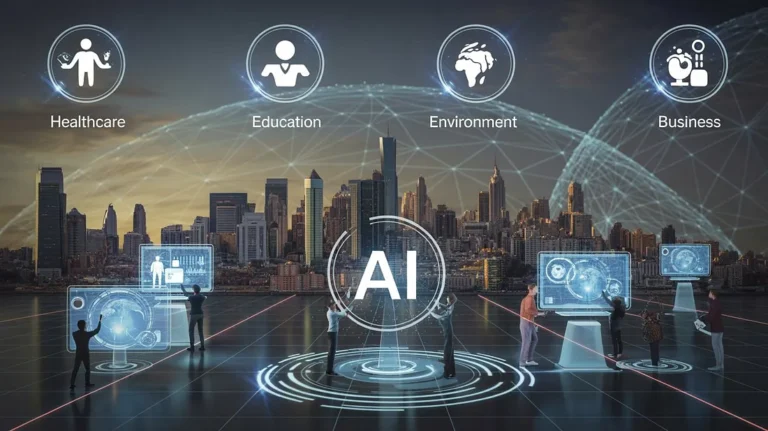
AI is no longer a futuristic concept — it’s here, transforming the way we work, create, and live. From automating repetitive tasks to assisting with creative work, artificial intelligence is reshaping entire industries. For professionals everywhere, understanding careers in the age of AI is no longer optional — it’s essential for survival.
If you’ve been wondering how AI will affect your career, or which roles are actually thriving in this new landscape, this article is your roadmap.
What “Careers in the Age of AI” Really Means
When people think of AI, they often imagine robots taking jobs. But the reality is more nuanced. The age of AI is creating new kinds of work — ones that blend human creativity, critical thinking, and technology.
While automation may replace some repetitive roles, it’s also unlocking massive opportunities for innovation, collaboration, and entrepreneurship. Those who adapt will find themselves in careers that are more flexible, impactful, and better paid.
1. AI Product Manager — The Bridge Between Tech and People
AI Product Managers are becoming the architects of the AI revolution. They design strategies that align technical capabilities with real-world problems.
Why it’s in demand: Every company wants to use AI — but few know how. Product managers who can translate business goals into AI solutions are invaluable.
Key skills: AI strategy, data analysis, UX thinking, and stakeholder communication.
2. Prompt Engineer — The Language of AI
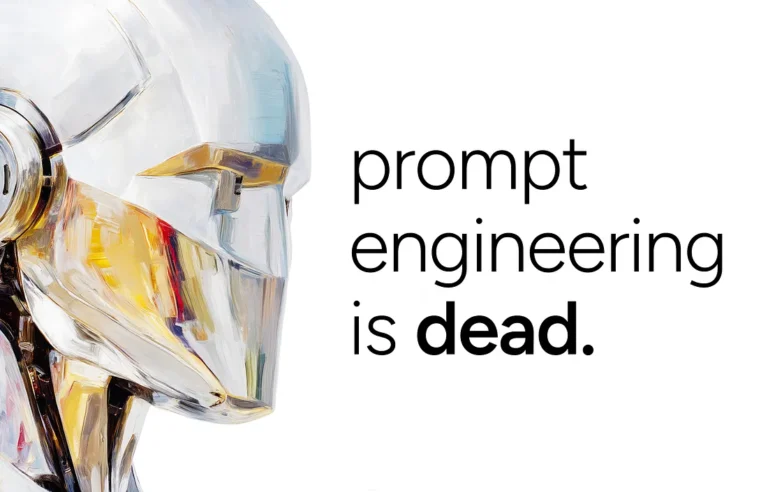
One of the newest and fastest-growing careers in the age of AI is prompt engineering — teaching AI models how to understand and respond effectively.
Why it’s hot: Tools like ChatGPT, Claude, and Gemini rely on precise prompts to perform tasks efficiently. Experts who can write and optimize these prompts are already in high demand.
Key skills: NLP (natural language processing), creativity, problem-solving, and domain knowledge.
3. AI Data Analyst — Turning Data into Decisions
Data has always been valuable, but AI makes it actionable. AI Data Analysts use tools like TensorFlow, Tableau, or Python to extract insights and train smarter models.
Why it matters: Businesses are drowning in data but starving for insight. Analysts who can interpret AI-driven analytics are the new gold standard in decision-making.
4. AI Ethicist — The Guardian of Responsible AI
With great power comes great responsibility. The rise of AI brings new ethical challenges: bias, privacy, and accountability.
Why it’s crucial: Governments and corporations alike need experts to ensure AI tools are transparent, fair, and aligned with human values.
Key skills: Philosophy, law, sociology, and AI governance frameworks.
5. Automation Engineer — Building Smarter Workflows
Automation Engineers design systems that let machines handle routine tasks — freeing humans for creative and strategic work.
Why it pays: Companies adopting AI-driven automation save millions annually. Skilled engineers are essential to designing, testing, and maintaining these systems.
Examples: Robotic process automation (RPA), machine learning pipelines, and business workflow design.
6. AI Educator & Trainer — Teaching the Future
As AI becomes mainstream, education must evolve. AI educators help schools, organizations, and individuals understand and apply AI responsibly.
Why it’s growing: Lifelong learning is now a necessity. Trainers who can simplify complex AI concepts are in high demand across industries.
7. AI Entrepreneur — Innovating Beyond Limits
Finally, the most exciting path in the AI era: entrepreneurship. Startups leveraging AI for healthcare, education, or finance are booming.
Why it’s rewarding: With low barriers to entry, even small teams can build global-scale solutions using open-source AI models and APIs.
Comparing Traditional Jobs vs. Careers in the Age of AI
| Category | Traditional Careers | AI-Driven Careers |
| Work Type | Manual & routine | Automated & intelligent |
| Skill Focus | Experience-based | Skill & data-driven |
| Growth Speed | Slow | Rapid |
| Learning Curve | Linear | Continuous |
The difference? AI careers reward adaptability, curiosity, and innovation over years of experience.
Practical Tips to Thrive in the Age of AI
- Learn AI tools — Start with ChatGPT, Gemini, or Copilot.
- Build digital literacy — Understand data, automation, and machine learning basics.
- Stay creative — Creativity remains AI’s biggest blind spot.
- Upskill constantly — Take online AI courses from platforms like Coursera, Udemy, or DeepLearning.AI.
- Network smartly — Join AI communities on LinkedIn, Discord, or Reddit to stay ahead.
The Future of Work Is Human + AI
The truth is, AI isn’t taking jobs — it’s transforming them. Those who embrace the change will find themselves in meaningful, high-impact careers that merge technology and humanity.
As we move deeper into the age of AI, one question remains: Are you ready to shape the future, or will you let it shape you?