AI Skills Are the Future of Work: How to Future-Proof Your Career in 2025 and Beyond
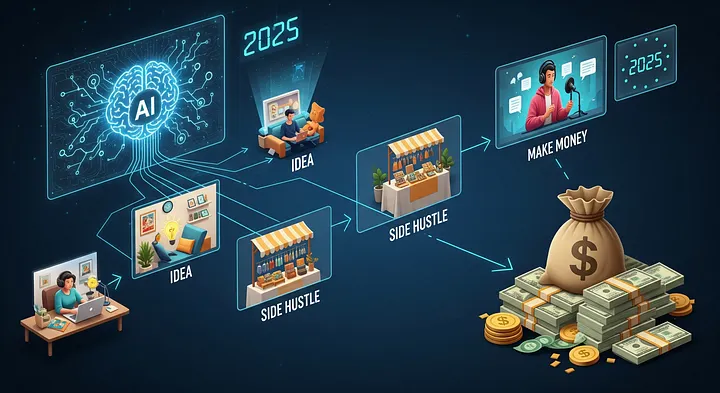
The workplace is changing faster than ever. New tools appear every month, job roles evolve overnight, and what was “in demand” last year is already old news.
But one truth is becoming clear — AI skills are the future of work.
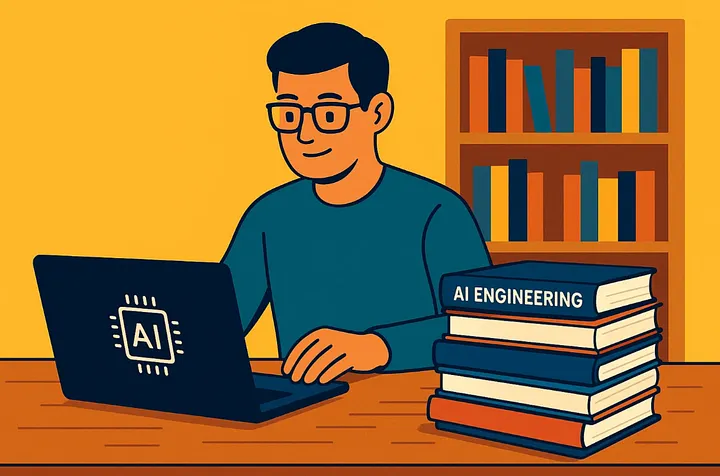
We’re entering an age where artificial intelligence isn’t just a buzzword — it’s the engine driving productivity, innovation, and entire industries. Whether you’re a student, entrepreneur, or creative, learning how to use AI effectively is the smartest career move you can make.
Why AI Skills Are the Future of Work
AI is not replacing humans — it’s replacing humans who don’t know how to use AI.
According to a 2025 World Economic Forum report, 97 million new AI-related roles will emerge globally in the next few years.
From healthcare to finance, marketing to manufacturing, companies are actively seeking professionals who can harness AI to optimize workflows, analyze data, and make smarter decisions.
So when we say AI skills are the future of work, we mean that understanding tools like ChatGPT, Midjourney, or data analysis with Python is now as essential as Excel or email once was.
Traditional Skills vs. AI-Driven Skills
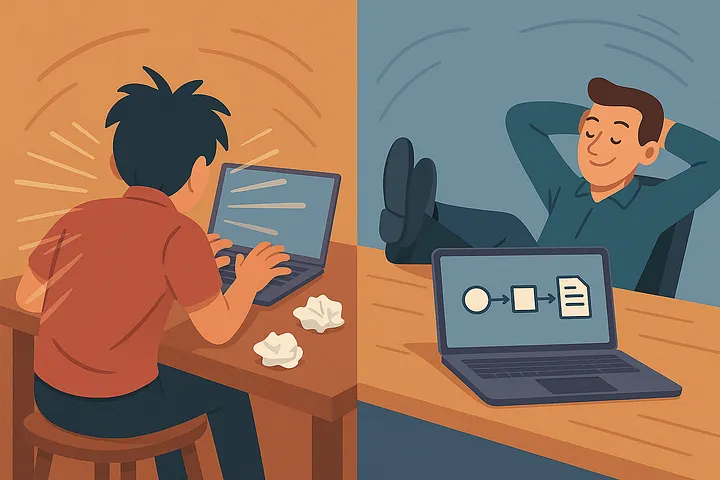
Before AI, success often depended on repetition and manual expertise — the more hours you worked, the more productive you were.
Now, productivity is measured by how intelligently you can use technology to automate, optimize, and create value faster.
| Traditional Skills | AI-Driven Skills |
| Manual data entry | Automated data processing |
| Static content creation | AI-assisted writing & design |
| Routine decision-making | Predictive analytics |
| Reactive problem-solving | Proactive AI modeling |
This shift doesn’t eliminate traditional skills — it amplifies them. A marketer who understands AI copywriting tools or a designer who can use AI to prototype faster instantly becomes more valuable.
Real-World Examples of AI Skills in Action
- Marketing: AI tools like Jasper and ChatGPT help marketers generate high-converting ad copy and analyze consumer trends in seconds.
- Healthcare: Doctors use AI to detect diseases early, saving lives through predictive diagnostics.
- Education: Teachers integrate AI tutoring systems to personalize learning experiences for each student.
- Software Engineering: Developers use GitHub Copilot to speed up coding and reduce errors.
Each of these examples shows a clear truth — AI isn’t replacing experts; it’s empowering them to do their jobs better and faster.
Practical Tips to Build AI Skills Today
If you’re ready to embrace the future, here’s how to start building your AI skill set right now:
- Learn the basics: Take free courses on Coursera or Google AI.
- Experiment daily: Use AI tools like ChatGPT, Claude, or Canva’s AI features for everyday tasks.
- Understand data: Even basic data literacy makes you 10x more effective with AI tools.
- Follow trends: Read tech blogs, newsletters, and follow AI creators on LinkedIn or X.
- Collaborate with AI: Treat it like a teammate, not a threat — let it handle the heavy lifting while you focus on creativity and strategy.
The Benefits of Learning AI Skills
- Boost career value: Professionals with AI fluency earn up to 40% more on average.
- Increase efficiency: Save hours of work through automation and smart workflows.
- Unlock creativity: Use AI to brainstorm, design, and innovate beyond traditional limits.
- Stay relevant: AI literacy will soon be as fundamental as digital literacy.
When you master AI skills, you don’t just survive automation — you lead it.
Conclusion: The Future Belongs to the AI-Ready
The next era of work won’t be about who works the hardest, but who works the smartest — with AI by their side.
So whether you’re building a startup, climbing the corporate ladder, or starting a new career path, one thing is clear:
AI skills are the future of work — and the best investment you can make today is in learning how to use them.
Thought-provoking question:
Are you preparing to work with AI, or are you waiting for AI to work without you?